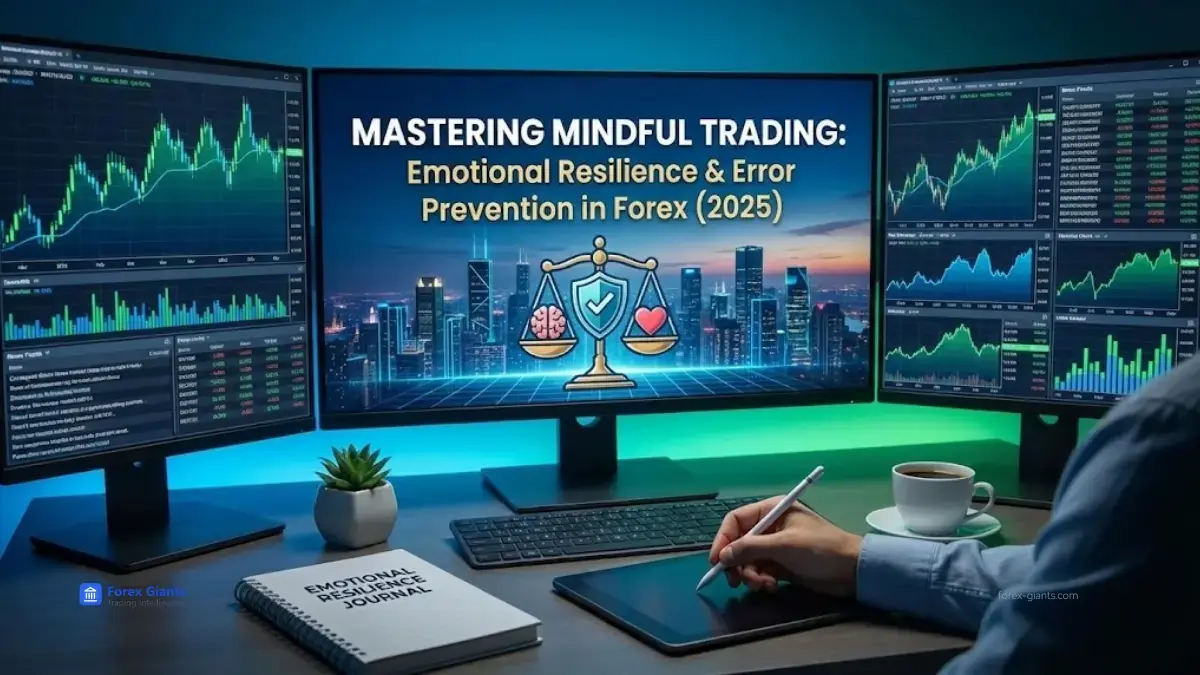
Mastering Mindful Trading: Emotional Resilience & Error Prevention in Forex (2025)
In the high-stakes world of Forex trading, where fortunes can be made or lost in the blink of an eye, technical analysis and market knowledge are undeniably crucial. However, an often-overlooked yet equally vital component of success is the trader's mindset. Mindful trading, a practice rooted in emotional resilience and self-awareness, offers a powerful antidote to the common pitfalls that plague even the most experienced traders. As of November 2025, with global markets experiencing increased volatility due to geopolitical tensions and shifting economic policies, the ability to manage emotions and avoid impulsive decisions is more critical than ever.
This comprehensive guide explores the core principles of mindful trading, offering practical strategies to cultivate emotional resilience, identify and overcome common trading errors, and ultimately enhance your profitability in the Forex market.
Understanding the Psychological Landscape of Forex Trading
Forex trading is not merely a cognitive exercise; it's a deeply emotional one. The constant fluctuation of currency prices, the pressure to make quick decisions, and the fear of losing capital can trigger a cascade of emotions, including:
Fear: The fear of missing out (FOMO) or the fear of losing existing capital can lead to rash decisions and deviations from a well-defined trading plan.
Greed: The desire for quick profits can cloud judgment, leading traders to take excessive risks or hold onto losing positions for too long.
Anxiety: The uncertainty inherent in Forex trading can create anxiety and stress, hindering clear thinking and rational decision-making.
Frustration: Losing trades can trigger frustration and anger, leading to revenge trading and further losses.
Overconfidence: A string of successful trades can breed overconfidence, leading to reckless behavior and a disregard for risk management principles.
These emotions, if left unchecked, can significantly impair a trader's ability to make sound judgments, execute their trading plan effectively, and manage risk prudently. Recognizing and understanding these emotional triggers is the first step toward cultivating emotional resilience.
The Principles of Mindful Trading
Mindful trading involves bringing a state of focused awareness to the trading process, observing thoughts and emotions without judgment, and making decisions based on reason rather than impulse. Key principles include:
Self-Awareness: Recognizing your emotional triggers and understanding how they impact your trading decisions. This involves actively monitoring your emotional state throughout the trading day and identifying patterns in your behavior.
Present Moment Focus: Paying attention to the present moment, rather than dwelling on past losses or fantasizing about future profits. This allows you to make decisions based on current market conditions and avoid being influenced by irrelevant information.
Non-Judgmental Observation: Observing your thoughts and emotions without judgment, accepting them as transient experiences rather than letting them dictate your actions. This helps you avoid getting caught up in negative thought patterns and maintain a more objective perspective.
Acceptance: Accepting the inherent uncertainty of Forex trading and the inevitability of losses. This helps you avoid getting discouraged by losing trades and maintain a long-term perspective.
Patience: Cultivating patience and discipline, resisting the urge to overtrade or deviate from your trading plan. This allows you to wait for high-probability trading opportunities and avoid impulsive decisions.
Practical Techniques for Cultivating Emotional Resilience
Developing emotional resilience is an ongoing process that requires consistent effort and practice. Here are some practical techniques to incorporate into your trading routine:
1. Mindfulness Meditation
Regular mindfulness meditation can help you develop greater self-awareness, reduce stress, and improve your ability to focus. Even a few minutes of daily meditation can have a significant impact on your trading performance. Focus on your breath, noticing the sensations in your body, and gently redirecting your attention whenever your mind wanders.
2. Journaling
Keeping a trading journal is an excellent way to track your emotional state, identify your triggers, and analyze your trading decisions. Record your thoughts, feelings, and actions before, during, and after each trade. Review your journal regularly to identify patterns and areas for improvement. For example, you might note that you consistently make impulsive decisions after a series of losing trades, or that you tend to become overly confident after a string of successful trades.
3. Deep Breathing Exercises
Deep breathing exercises can help you calm your nerves and reduce stress in the moment. When you feel overwhelmed or anxious, take a few slow, deep breaths, focusing on the sensation of the air entering and leaving your body. This can help you regain control of your emotions and make more rational decisions. Diaphragmatic breathing, also known as belly breathing, is particularly effective.
4. Visualization
Visualizing successful trades and positive outcomes can help you build confidence and reduce anxiety. Before entering a trade, take a few minutes to visualize yourself executing your trading plan flawlessly and achieving your desired profit target. This can help you approach the trade with a more positive and confident mindset.
5. Emotional Regulation Techniques
Develop strategies for managing your emotions in the moment. This might involve taking a break from trading, talking to a trusted friend or mentor, or engaging in a relaxing activity such as exercise or listening to music. The key is to find techniques that work for you and to use them consistently whenever you feel overwhelmed or emotionally triggered.
6. Physical Exercise
Regular physical exercise has been proven to reduce stress, improve mood, and enhance cognitive function. Incorporate regular exercise into your routine to improve your overall well-being and enhance your ability to manage the emotional demands of Forex trading. Even a short walk or a quick workout can make a significant difference.
7. Maintain a Healthy Lifestyle
Prioritize sleep, nutrition, and hydration. A lack of sleep, poor diet, and dehydration can all contribute to increased stress and impaired cognitive function. Ensure that you are getting enough sleep, eating a balanced diet, and drinking plenty of water to support your physical and mental well-being.
Identifying and Overcoming Common Trading Errors
Even with the best intentions and a solid trading plan, traders are prone to making errors. Recognizing these common pitfalls is crucial for preventing them and improving your trading performance.
1. Confirmation Bias
Confirmation bias is the tendency to seek out information that confirms your existing beliefs and to ignore information that contradicts them. This can lead you to selectively interpret market data in a way that supports your trading thesis, even when the evidence suggests otherwise. To overcome confirmation bias, actively seek out dissenting opinions and alternative viewpoints. Be willing to challenge your own assumptions and to consider the possibility that you might be wrong.
2. Anchoring Bias
Anchoring bias is the tendency to rely too heavily on the first piece of information you receive, even if it is irrelevant or inaccurate. For example, you might anchor your expectations for a currency pair's price on a previous high or low, even if current market conditions suggest that this level is no longer relevant. To overcome anchoring bias, be aware of the influence of initial information and actively seek out new and relevant data. Don't be afraid to adjust your expectations based on changing market conditions.
3. Loss Aversion
Loss aversion is the tendency to feel the pain of a loss more strongly than the pleasure of an equivalent gain. This can lead you to hold onto losing positions for too long, hoping that they will eventually turn around, or to close winning positions too early, fearing that you will lose your profits. To overcome loss aversion, focus on the long-term profitability of your trading strategy, rather than on individual trades. Set realistic profit targets and stop-loss orders, and stick to your trading plan, even when you are experiencing losses.
4. Overconfidence Bias
Overconfidence bias is the tendency to overestimate your own abilities and knowledge. This can lead you to take excessive risks, to trade without proper research, and to ignore warning signs. To overcome overconfidence bias, maintain a healthy dose of humility and skepticism. Continuously evaluate your trading performance, identify your weaknesses, and seek out feedback from other traders.
5. The Gambler's Fallacy
The gambler's fallacy is the mistaken belief that a random event is more or less likely to occur based on previous events. For example, you might believe that after a series of losing trades, you are due for a win, or that after a series of winning trades, you are more likely to lose. To avoid the gambler's fallacy, remember that each trade is an independent event and that past performance is not indicative of future results. Focus on analyzing current market conditions and making decisions based on sound trading principles, rather than on superstition or wishful thinking.
6. Herd Mentality
Herd mentality is the tendency to follow the crowd, even when it goes against your own judgment. This can lead you to enter trades based on rumors or hype, rather than on your own analysis. To avoid herd mentality, do your own research, develop your own trading plan, and stick to your convictions, even when others are disagreeing with you. Be wary of trading recommendations from unreliable sources, and always verify information before acting on it.
7. Revenge Trading
Revenge trading is the act of making impulsive trades after a loss in an attempt to quickly recover the lost money. This is often driven by anger and frustration, and it typically leads to further losses. To avoid revenge trading, take a break from trading after a loss, allow yourself time to cool down and regain your composure, and then review your trading plan before making any further decisions.
Integrating Mindful Trading into Your Forex Strategy
Mindful trading is not a standalone strategy but rather a framework for enhancing your existing trading approach. It involves integrating the principles of self-awareness, present moment focus, and non-judgmental observation into every aspect of your trading process, from planning your trades to managing your risk.
Pre-Trade Preparation: Before entering a trade, take a few minutes to assess your emotional state. Are you feeling calm and focused, or are you feeling anxious, stressed, or overconfident? If you are not in the right state of mind, postpone trading until you are feeling more balanced. Review your trading plan and ensure that you understand the risks involved.
During the Trade: While the trade is active, monitor your emotions and avoid making impulsive decisions. Stick to your trading plan and resist the urge to deviate from your pre-defined profit targets and stop-loss orders. If you feel overwhelmed or stressed, take a break from monitoring the trade and engage in a relaxing activity.
Post-Trade Analysis: After the trade has closed, review your performance and analyze your decisions. Identify any errors you made and develop strategies for preventing them in the future. Focus on learning from your mistakes and improving your trading process, rather than dwelling on the outcome of individual trades.
The Benefits of Mindful Trading
By cultivating emotional resilience and overcoming common trading errors, you can reap numerous benefits in your Forex trading journey:
Improved Decision-Making: Mindful trading allows you to make more rational and objective decisions, based on market data and your trading plan, rather than on emotions.
Reduced Stress and Anxiety: By managing your emotions effectively, you can reduce stress and anxiety, leading to a more enjoyable and sustainable trading experience.
Enhanced Risk Management: Mindful trading helps you to adhere to your risk management principles, protecting your capital and preventing catastrophic losses.
Increased Profitability: By avoiding common trading errors and making more informed decisions, you can increase your profitability over the long term.
Greater Self-Awareness: Mindful trading promotes self-awareness, helping you to understand your emotional triggers and to develop strategies for managing them effectively.
Improved Discipline: Mindful trading cultivates discipline, helping you to stick to your trading plan and to avoid impulsive decisions.
Conclusion
Emotional resilience and error prevention are paramount to achieving consistent success. Mindful trading provides a powerful framework for cultivating these qualities, enabling you to navigate the market with greater clarity, confidence, and composure. By integrating the principles of self-awareness, present moment focus, and non-judgmental observation into your trading routine, you can transform your mindset, improve your decision-making, and ultimately enhance your profitability in the Forex market. Start practicing mindful trading today and unlock your full potential as a Forex trader. Consider this journey a long-term investment in your success, adapting to the market changes and personal growth that define the future of Forex trading.